


What Are Event Production Management Services and Why Do They Matter?
As corporate meetings and conferences grow more complex, planners often find themselves coordinating multiple vendors, presenters, venues, and stakeholders at once. Without a clear production plan and dedicated oversight, small communication gaps can quickly become larger challenges.
Production management teams help organize and oversee the moving pieces that bring an event to life. From event vendor coordination and production schedules to technical planning and onsite execution, production management provides the structure needed to keep teams aligned and events running smoothly.
What Are Production Management Services?
Production management services coordinate the people, schedules, vendors, logistics, and technical elements required to execute a successful corporate event.
While event planning often focuses on attendee experience, venue selection, and event strategy, production management focuses on execution. It helps ensure vendors are aligned, schedules stay on track, presenters are prepared, and technical requirements are addressed.
Production management services may include:
- Vendor coordination and communication
- Production schedules and timelines
- Technical planning and oversight
- Presenter and speaker support
- Event logistics management
- Rehearsal coordination
- Resource and staffing management
- Onsite production execution
Production management is often mistaken for simply providing audiovisual equipment. In reality, it’s the team and coordination behind the equipment that bring the event to life.
What Does a Production Management Team Do?
Production management responsibilities typically fall into four key areas:
Vendor Coordination
Corporate events often involve multiple vendors, including audiovisual providers, staging and scenic partners, labor teams, venue contacts, internet providers, and other specialty vendors. Production management teams help align schedules, communicate requirements, identify potential conflicts, and ensure every vendor understands their role in the overall event plan.
Production Scheduling and Timeline Management
Production management teams develop schedules that account for load-in, setup, rehearsals, room turns, show flow, presenter preparation, and strike activities. These timelines help vendors, presenters, and onsite teams understand what needs to happen, when it needs to happen, and who is responsible for each step.
Speaker and Presenter Preparation
Production management teams often support presenters by coordinating presentation collection, rehearsals, confidence monitors, walk-on cues, timing, and session transitions. Addressing these details in advance helps presenters feel prepared and allows sessions to run more smoothly.
Technical Production Oversight
Technical production oversight helps ensure that general sessions, breakout rooms, livestreams, content playback, lighting, audio, and presentation technology work together to support the event experience. Effective oversight helps keep technical teams aligned and ensures content is delivered as intended.
For more insight on technical planning considerations, read our AV Guide for Large Corporate Meetings.
Production Management: A Real-World Example
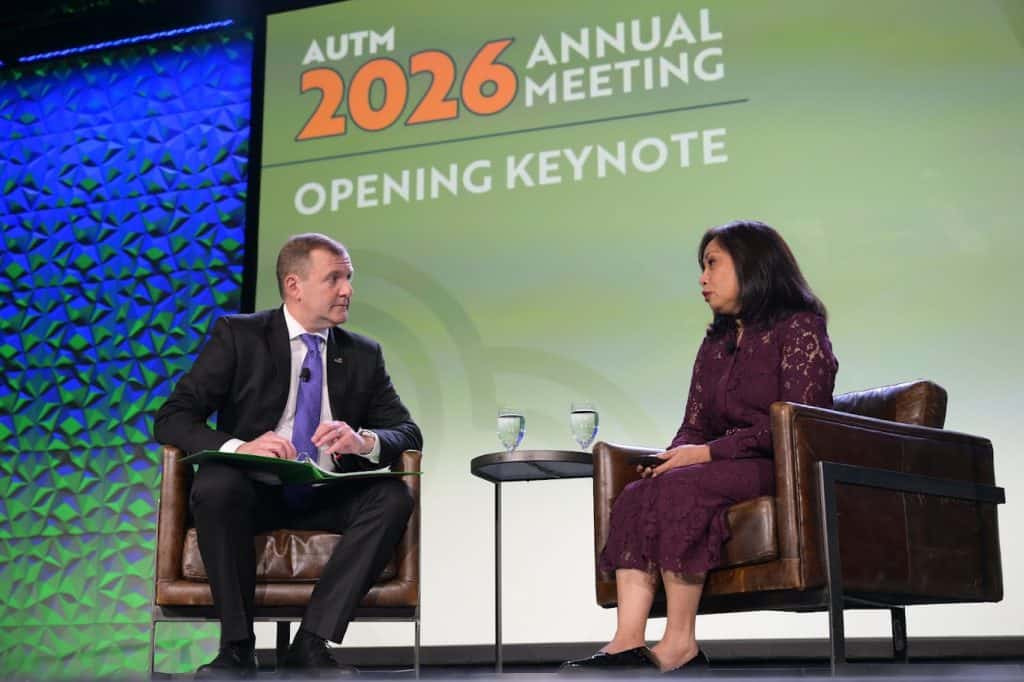
At AUTM 2026, Vario supported the general session along with 19 breakout and ancillary spaces operating simultaneously throughout the convention center. Coordinating schedules, room transitions, technical teams, presenter support, and venue logistics across multiple spaces required detailed planning and ongoing communication before and during the event.
While attendees experienced a seamless program, that experience was supported by a coordinated production strategy designed to keep teams aligned across every room and session.
5 Signs Your Event Needs Production Management Services
Not every event requires dedicated production management. However, as complexity increases, having a team focused on coordination and execution can help reduce risk and keep the event running smoothly.
1. You Are Coordinating Multiple Vendors
If your event involves venue teams, internet providers, labor crews, decorators, transportation companies, exhibitors, sponsors, or other specialty vendors, production management can help keep everyone aligned. A centralized communication process helps reduce confusion, scheduling conflicts, and missed details.
2. Your Event Includes Multiple Meeting Rooms
Managing multiple breakout rooms, workshops, or concurrent sessions requires additional coordination. Production management helps oversee room setups, transitions, schedules, and technical support across the entire event footprint.
3. Your Presenters Require Rehearsals
Speaker support often includes presentation collection, rehearsals, microphone checks, timing reviews, and session transitions. Production management helps ensure presenters are prepared and sessions run according to plan.
4. Your Agenda Contains Complex Transitions
Events with multiple presenters, panel discussions, entertainment, videos, or rapid room changes require careful coordination. Production management helps keep the program moving smoothly and minimizes disruptions caused by schedule changes.
5. Your Internal Team Is Already Stretched Thin
When internal teams are focused on attendees, stakeholders, and business objectives, managing production details can become overwhelming. Production management provides dedicated oversight so planners can focus on the event experience rather than troubleshooting logistics.
Choosing a Production Management Partner
Not all production management providers offer the same level of support. When evaluating potential partners, consider asking the following questions:
Who Manages Vendor Communication?
Understanding who coordinates communication between vendors, venues, and stakeholders can help prevent misunderstandings, duplicated efforts, and scheduling conflicts.
Who Owns the Production Timeline?
Ask who develops and manages the production schedule, including setup, rehearsals, room transitions, and strike activities.
How Are Presenters Supported?
Presenter preparation can significantly impact the attendee experience. Ask how the team handles presentation collection, rehearsals, technical checks, and speaker support.
What Happens if Schedules Change Onsite?
Even well-planned events encounter last-minute adjustments. Understanding how a partner manages schedule changes and unexpected requests can provide insight into their process and experience.
Who Serves as the Primary Point of Contact?
Knowing who owns communication and decision-making helps establish accountability throughout the planning process.
Conclusion
Production management services help keep vendors, schedules, presenters, and technical teams aligned throughout the event lifecycle. As events become more complex, effective coordination helps reduce risk, improve communication, and support successful execution.
If you’re evaluating production support for an upcoming event, contact us to learn how our strategic production management approach can support your goals.
Frequently Asked Questions About Production Management Services
What are production management services?
Production management services coordinate the vendors, schedules, logistics, presenters, and technical elements required to execute a successful event.
What is the difference between production management and event planning?
Event planning focuses on event strategy and attendee experience, while production management focuses on execution, including vendor coordination, production schedules, speaker support, and show flow.
Is production management the same as AV services?
No. AV services provide the equipment and technical support for an event, while production management coordinates the people, schedules, vendors, logistics, and technical execution required to keep the event running smoothly.
When should I hire production management services?
Production management services become valuable when an event involves multiple vendors, concurrent sessions, presenter rehearsals, complex schedules, or significant technical requirements.
What types of events benefit from production management?
Corporate meetings, conferences, sales kickoffs, user conferences, association events, trade shows, and multi-day programs can all benefit from production management services.
Does production management include vendor coordination?
Yes. Vendor coordination is often a core responsibility of production management and may include communication between AV providers, venues, labor teams, staging partners, internet providers, and other event vendors.
Does production management include speaker support?
In many cases, yes. Production management teams often assist with presentation collection, rehearsals, timing reviews, microphone coordination, confidence monitors, and session transitions.
Can production management help control event costs?
Production management can help identify scheduling conflicts, communication gaps, and scope issues before they become costly problems, reducing the likelihood of unexpected expenses.
What does a production manager do during an event?
During an event, a production manager coordinates vendors, oversees schedules, supports presenters, manages logistics, and helps ensure the event runs according to plan.