

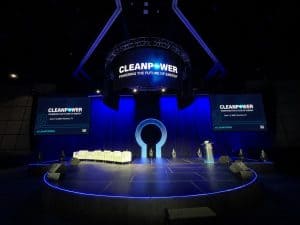

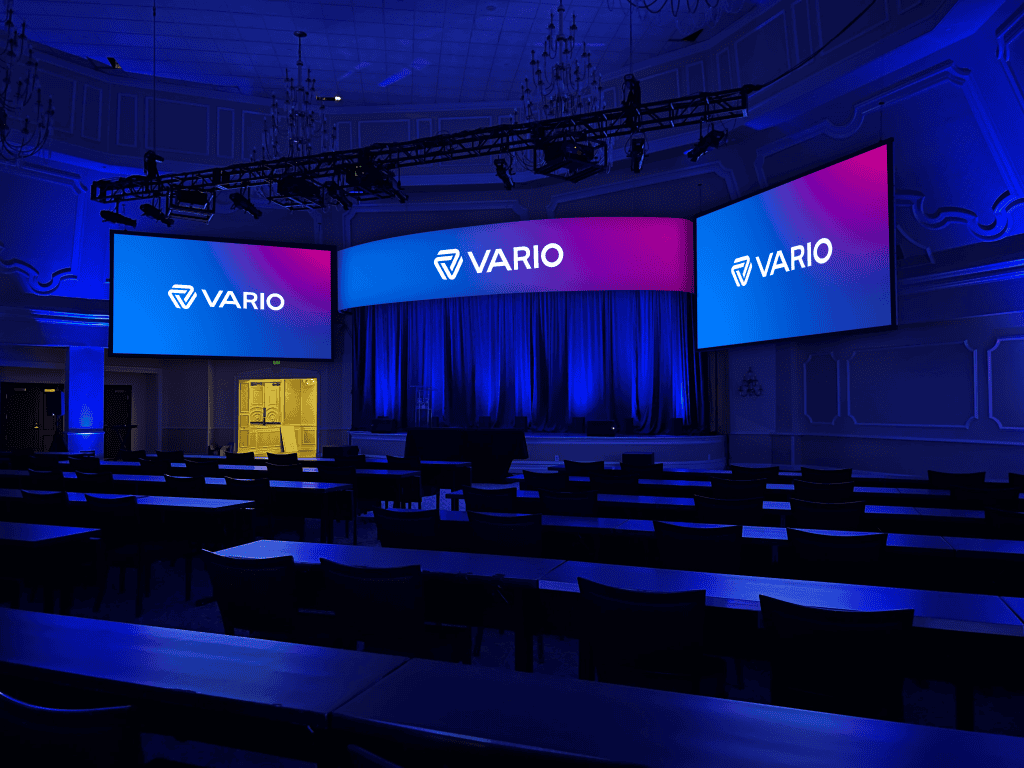
One of the most common misconceptions in event planning is that smaller rooms and lower attendance automatically lead to a lower AV budget and simpler technical execution. In reality, room size and guest count are only part of the equation. Even intimate meetings can require sophisticated audiovisual support, detailed show calling, and tightly managed run-of-show (ROS) coordination to create a seamless experience. When production expectations are high, the AV investment can be more substantial than many planners initially expect.
Understanding Event Size, AV Budget, and Technology Complexity
It’s easy to assume event budgets follow a straightforward formula: smaller event, lower cost; larger event, higher cost. While room size and attendee count do influence parts of the AV budget, they rarely tell the full story. They do not account for the technical complexity, content support, or production goals required to deliver the experience successfully.
In many cases, a smaller event can demand the same level of planning, coordination, and technical support as a large-scale conference. A few of the biggest factors include:
- Advanced technical equipment: Even in a smaller room, high-definition cameras, multi-screen projection, interactive lighting, and professional audio systems may be essential to support the experience planners want to create.
- Run-of-show complexity: Multiple presenters, interactive moments, and tightly timed transitions often require detailed cueing, experienced operators, and precise coordination behind the scenes.
- Hybrid or remote requirements: Adding virtual audiences or remote speakers introduces another layer of production, from camera coverage and streaming encoders to audio routing and dependable network infrastructure.
- Creative content needs: Custom visuals, live video integration, and real-time graphics can elevate the attendee experience, but they also expand the technical scope needed to execute the event seamlessly.
AV planning should therefore be evaluated through the lens of experience, execution, and event objectives, not attendance alone. Smaller events may have a smaller footprint, but they can still carry significant production demands when expectations are high and every detail matters.
This is especially true when aligning AV technology needs with realistic budgets, a process that often requires more strategic planning than many expect. Our partner Teneo explores this in more detail, breaking down how to approach AV decisions and negotiations effectively.
Small Room, Big Tech: How AV Budget Meets Real-World Complexity
Consider a 50-person leadership workshop. The audience may be small, but the production expectations and the associated AV budget can still be significant. Organizers may need:
- Dual projection screens for clear, immersive visibility
- Multi-channel audio to support panel discussions and seamless conversation
- Live streaming for remote executives and distributed stakeholders
- Audience engagement tools such as polling, Q&A, or interactive dashboards
At that point, the event may be small in size, but the AV scope and budget are anything but simple. Technical teams still need to coordinate camera coverage, audio routing, lighting cues, and content delivery to ensure the experience feels polished from start to finish. The setup can be just as intricate as a much larger program.
The same applies to board meetings, product launches, and executive retreats. Even with a limited guest count, these events often require high-level production support because the standard for execution is so high. When every visual, audio, and timing detail matters, AV planning becomes less about attendance and more about delivering a seamless, professional experience. Working with a third-party production partner, like Vario, can help ensure that every technical detail is handled expertly, from planning through execution.
Why AV Budget and Technical Sophistication Matter, Even in Intimate Events
Investing in AV and allocating the right AV budget for smaller events is not just about managing complexity. It is about shaping the attendee experience and delivering the event at a higher level. Strong AV support can:
- Improve Clarity and Engagement: Clear audio and crisp visuals help attendees stay focused and connected to the content.
- Support Remote Participation: Even small hybrid meetings require thoughtful planning to create a seamless experience for virtual attendees.
- Strengthen Brand Presence: Professional lighting, graphics, and video help create an experience that feels polished and aligned with your brand.
- Reduce Risk: A well-planned run of show (ROS) helps prevent technical issues and keeps transitions smooth.
Factors That Can Drive AV Budget Beyond Room Size
Even small events can become technically demanding, and understanding these factors is key to planning an appropriate AV budget:
- Event Duration and Format: A short, high-impact workshop can require more equipment and tighter coordination than a longer, more casual session.
- Venue Limitations: Smaller rooms can still present acoustic challenges, rigging restrictions, or network limitations that call for creative AV solutions.
- Content Complexity: Video integration, live demos, and multimedia presentations often increase the event’s technical scope.
- Audience Interaction Needs: Polling, breakout sessions, and live Q&A tools may require additional hardware, software, and operator support.
Tips for Aligning Your AV Budget with Event Goals
- Assess Needs Beyond Scale: Focus on the experience you want to deliver, not just the number of attendees. Start by identifying the AV elements required to support your event goals.
- Involve AV Experts Early: Bringing in experienced production partners early can help you balance quality, technical needs, and budget more strategically.
- Prioritize Critical Components: Invest first in the elements that have the greatest impact on the attendee experience and overall event success.
- Plan the Run-of-Show (ROS) Carefully: Even smaller events benefit from rehearsals, detailed cueing, and clear coordination to reduce technical risk.
- Consider Hybrid or Virtual Options: Thoughtfully integrating remote participation can expand engagement without increasing the physical footprint of the event.
Key Takeaway
A smaller event does not always mean a lower AV budget or a simpler AV setup. The real drivers are technical requirements, content needs, and the overall experience you want to create. At Vario, we help events of any size run seamlessly, ensuring technology supports your goals and keeps attendees engaged. In the end, the right setup helps ensure your message is seen, heard, and remembered.
Don’t let event size dictate your production quality. Partner with Vario to ensure every technical detail is managed expertly. Schedule a conversation today to discuss your upcoming event!