


Overcoming Live Event Production Challenges
Large-scale conferences are more complex than ever. Today’s event planners are balancing tighter timelines, evolving technology, growing stakeholder expectations, and increasingly ambitious event goals. As complexity grows, even small communication gaps can affect presenters, attendees, and the overall success of an event.
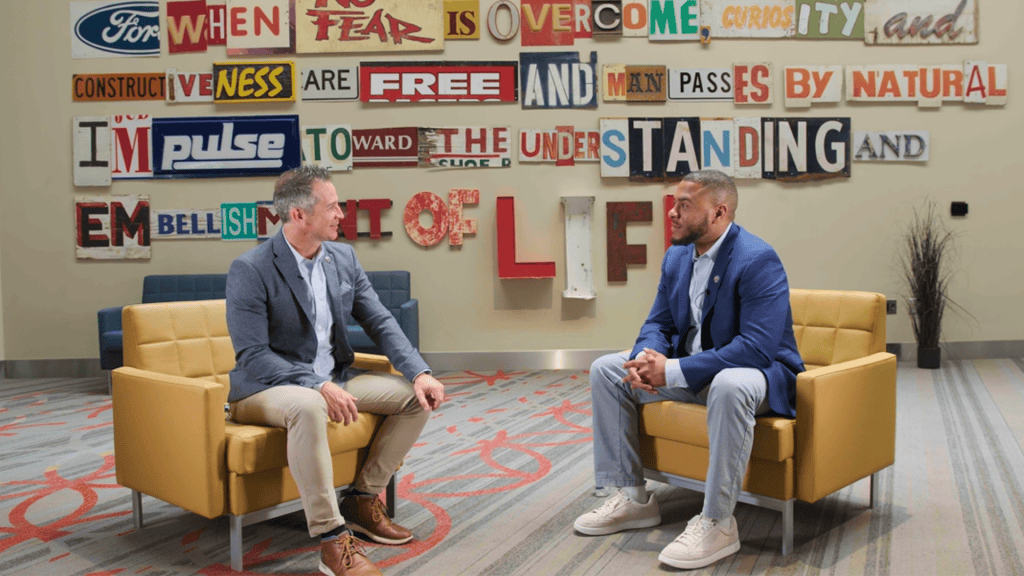
To better understand how planners are navigating these growing challenges, Vario CEO Tim Altbaum, CMP, CMM, sat down with Senior Business Development Manager Saleem Sabree during MPI WEC 2026. Drawing on conversations with planners and years of experience supporting large-scale conferences, they shared practical strategies for improving coordination, strengthening partnerships, and creating better attendee experiences.
Watch the full conversation from MPI WEC 2026 and explore the key takeaways below.
The Reality Event Planners Are Facing
Throughout MPI WEC 2026, one theme surfaced again and again in conversations with event planners. The biggest challenge wasn’t keeping up with the latest technology or event trends. It was balancing growing expectations with limited time and resources.
As Saleem Sabree put it, “I think a lot of them are, for lack of a better term, a little overworked and a little under-resourced.”
Rather than searching for quick fixes, planners were looking for practical ways to strengthen collaboration, simplify decision-making, and build events that run more smoothly from the start.
Building Better Event Partnerships Through Collaboration
A common misconception in event planning is that the planner has to have every answer. In reality, successful large-scale events are built by bringing together the right experts at the right time.
“It’s really about creating the right partnerships… putting yourself in a position to understand that you need partnerships in order to really be successful at any level of scale.”
— Saleem Sabree
Senior Business Development Manager, Vario Productions
Planners don’t have to navigate every challenge alone. Whether it’s your CVB, DMC, venue, production partner, or another trusted resource, each partner brings specialized expertise that helps planners make more informed decisions. When those partners work as an extension of the planning team, communication improves, problems are solved earlier, and complex events become far more manageable.
The Best Way to Prevent Production Problems Is to Plan Earlier
A big mistake planners make isn’t choosing the wrong production partner, but waiting too long to bring them into the planning process.
According to Saleem Sabree, “[AV] is really a conversation we want to have while we’re sourcing for our next venue.” Bringing production into the planning process before selecting a venue gives teams the opportunity to evaluate technical requirements, identify venue limitations, review contract terms, and build more accurate budgets before key decisions are finalized.
Those early conversations don’t just reduce risk. They can save planners “time, money, energy, effort, [and] headache in the long run.”
How Technology Creates Better Connections
Technology is changing how attendees experience conferences, but its biggest impact isn’t replacing face-to-face interaction. It’s making those interactions more meaningful.
“The good events that I go to… are the ones that take the extra step to make sure that once we have that free time to network, there’s some intention behind it in helping us really make those connections that are going to last beyond the conference itself.”
— Saleem Sabree
Senior Business Development Manager, Vario Productions
From mobile event apps to event management systems, technology should do more than organize schedules. It should help attendees discover relevant sessions, connect with peers who share common interests, and build relationships that continue long after the event ends.
The best event technology doesn’t compete with human connection. It creates more opportunities for it.
What Event Planners Can Do Today
Successful event production isn’t about reacting to problems on show day. It’s about making better planning decisions from the start. Here are five strategies every planner can put into practice.
- Bring production into venue sourcing. Involve your production partner before selecting a venue to evaluate technical requirements, identify potential challenges, and make more informed planning decisions.
- Build strategic partnerships. Lean on trusted partners, including venues, CVBs, DMCs, agencies, and production teams, to strengthen coordination and execution.
- Prioritize communication. Align stakeholders early to reduce misunderstandings, streamline decision-making, and avoid last-minute surprises.
- Use technology intentionally. Choose event technology that strengthens communication, simplifies navigation, and helps attendees make meaningful connections.
- Invest in pre-production. Time spent planning upfront helps reduce risk, avoid costly changes, and create a smoother experience on show day.
Conclusion
The conversation at MPI WEC 2026 reinforced a simple but important truth: the best events aren’t built by one person or one team. They’re built through early collaboration, thoughtful planning, and partners who work together toward the same goal.
As conferences continue to grow in size and complexity, planners don’t need to have every answer. They need the right people at the table early enough to help shape better decisions.
Planning a large-scale conference or corporate meeting?
Start the conversation early and build a production strategy that supports your goals from venue selection through show day.
Frequently Asked Questions About Live Event Production
What are the biggest live event production challenges?
The biggest live event production challenges include communication gaps, limited planning time, and increasing event complexity. Early planning, clear coordination, and experienced production partners help reduce risk and keep events running smoothly.
How can event planners improve event coordination?
Event planners improve event coordination by involving key partners early, defining responsibilities, and maintaining clear communication throughout the planning process. Early collaboration helps prevent misunderstandings and keeps every team aligned.
Why should production planning begin before a venue is selected?
Production planning should begin before selecting a venue so technical requirements, labor, infrastructure, and contract considerations can be evaluated early. This helps planners make informed decisions and avoid costly changes later.
When should you hire an event production company?
The best time to hire an event production company is during the earliest planning stages, ideally before selecting a venue. Early involvement supports venue evaluation, budgeting, production strategy, and contingency planning.
How do production partners improve attendee experience?
Production partners improve the attendee experience by coordinating technology, presentations, and event logistics to create a seamless program. Their planning and problem-solving help keep events engaging and running on schedule.
What role does technology play in large-scale events?
Technology supports large-scale events by improving communication, streamlining operations, and enhancing attendee engagement. Event management systems, mobile apps, and presentation technology help attendees navigate sessions and connect more effectively.
How can planners reduce risk during live events?
Planners reduce risk by investing in pre-production, involving production partners early, and developing contingency plans before show day. Identifying challenges during planning helps prevent costly issues during the event.